
A great wedding can have a busy dance floor and a comfortable place to step away. Start by asking what would help the people coming, including the two of you. Some guests love bright lights and big singalongs; others enjoy the celebration from a seat, over a conversation or in shorter bursts.
This guide helps you turn those preferences into arrangements to discuss with your venue and entertainment suppliers. Every person and room is different.
Start with one useful question
Ask privately: “Is there anything about the music, lighting, seating or taking part that would help you enjoy the evening?”
Let people describe what works for them. Avoid guessing from someone’s age or a diagnosis. You can pass on a practical request without sharing their medical history or naming the person publicly.
Give conversation a place in the plan
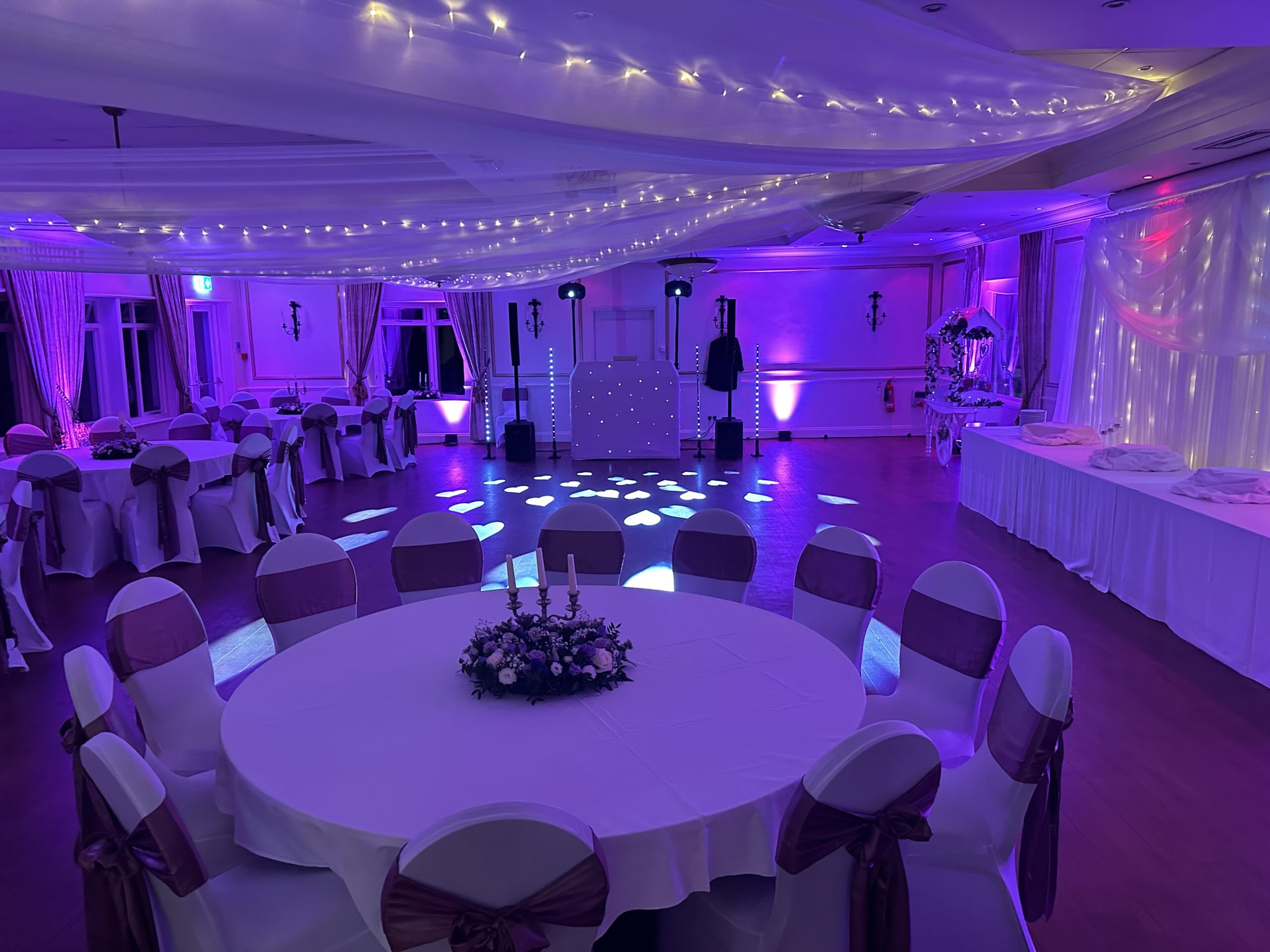
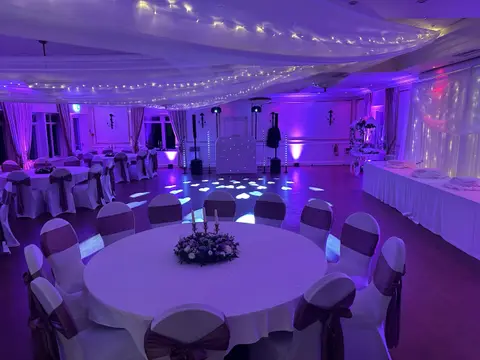
When looking at the room, mark where people will dance and where they might sit and talk. Ask the DJ and venue how the speaker positions and room layout could support that.
Background music during a meal and music for dancing serve different purposes. Discuss the change between them rather than expecting one volume to suit the whole evening. A venue’s sound limit is a separate restriction; it does not tell you whether every guest will find the room comfortable.
Check that a quieter space will actually be available
A space shown during a venue visit might be used for catering, another event or storage on your wedding day. Confirm its location, opening times, seating and route with the venue.
If possible, choose somewhere away from the main speakers and crowds, with clear directions. Ask how much sound carries into it when the party is running. If no separate space is available, tell guests honestly so they can make their own plans.
Describe the lighting you want
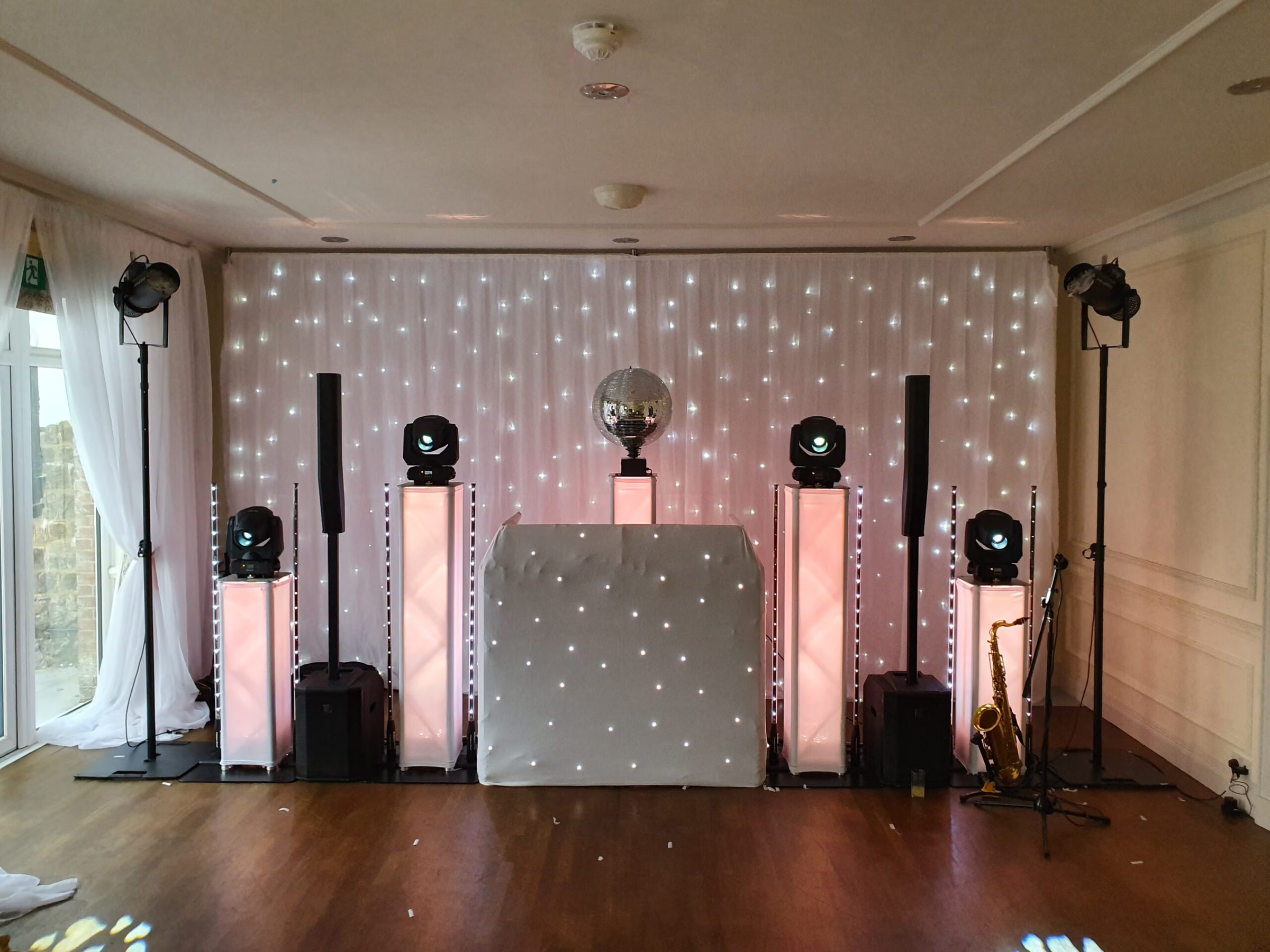
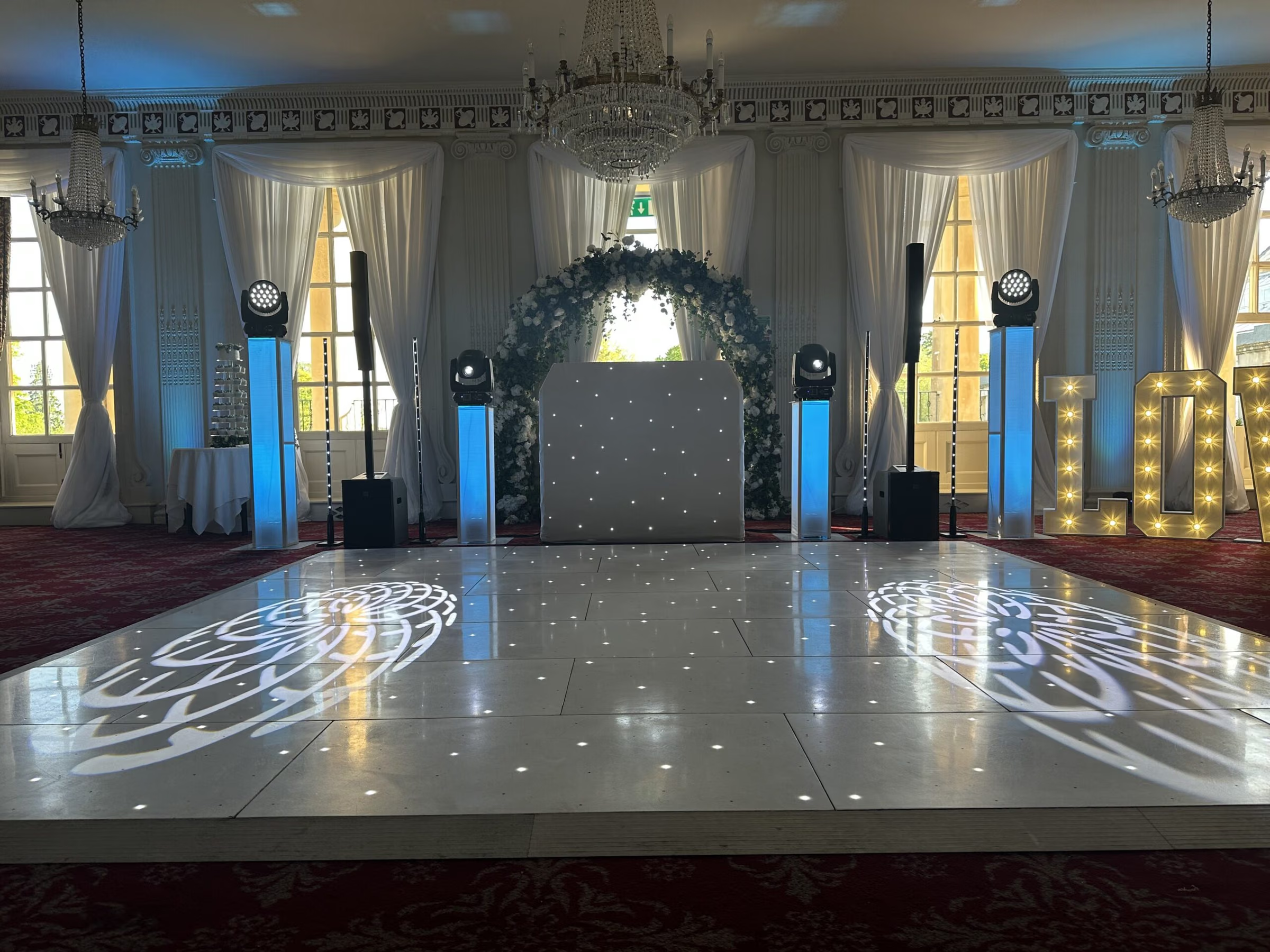
“Gentle lighting” means different things to different people. Be specific about requests such as steady lighting, no flashing effects, or avoiding lights directed at seating.
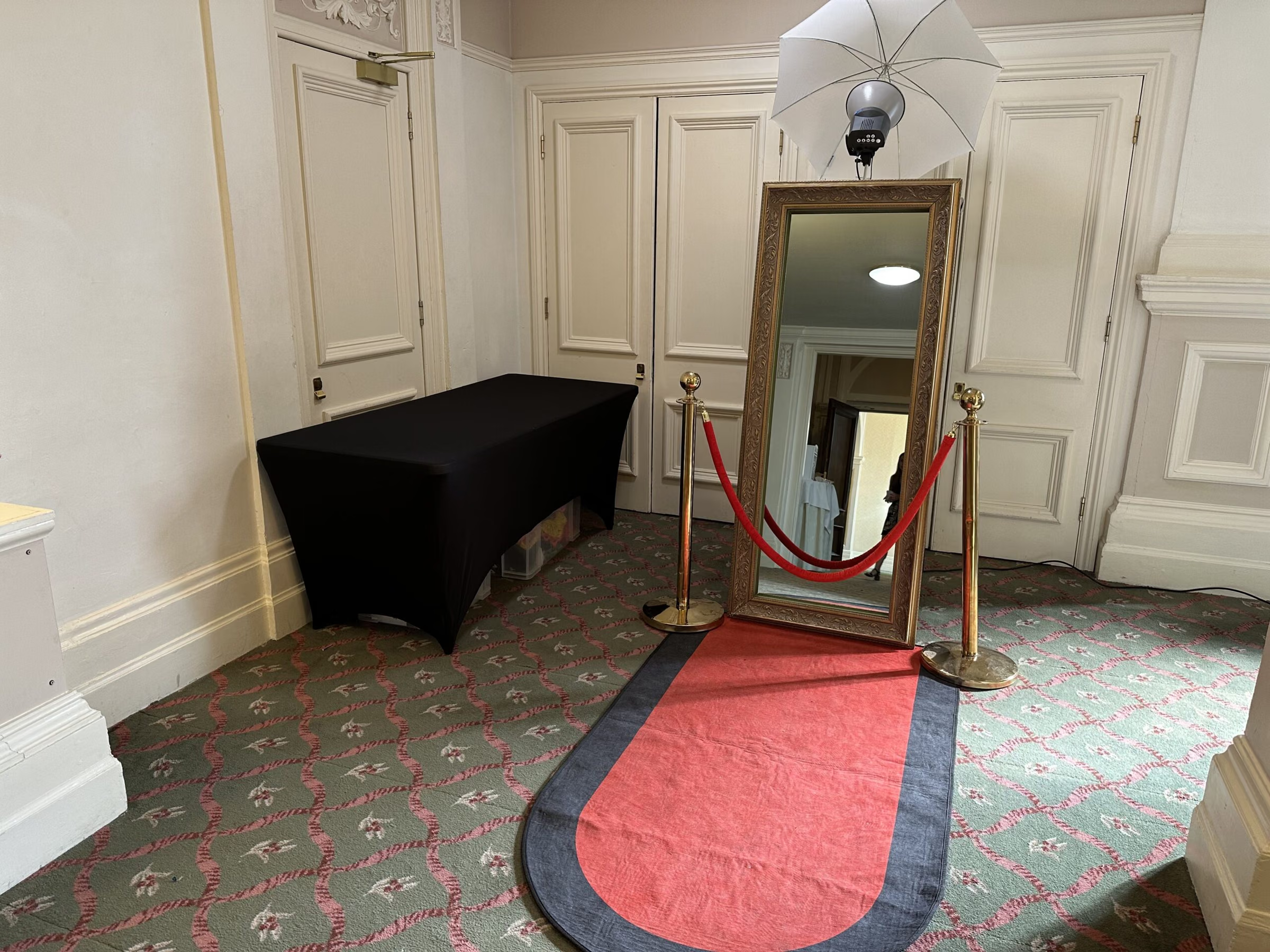
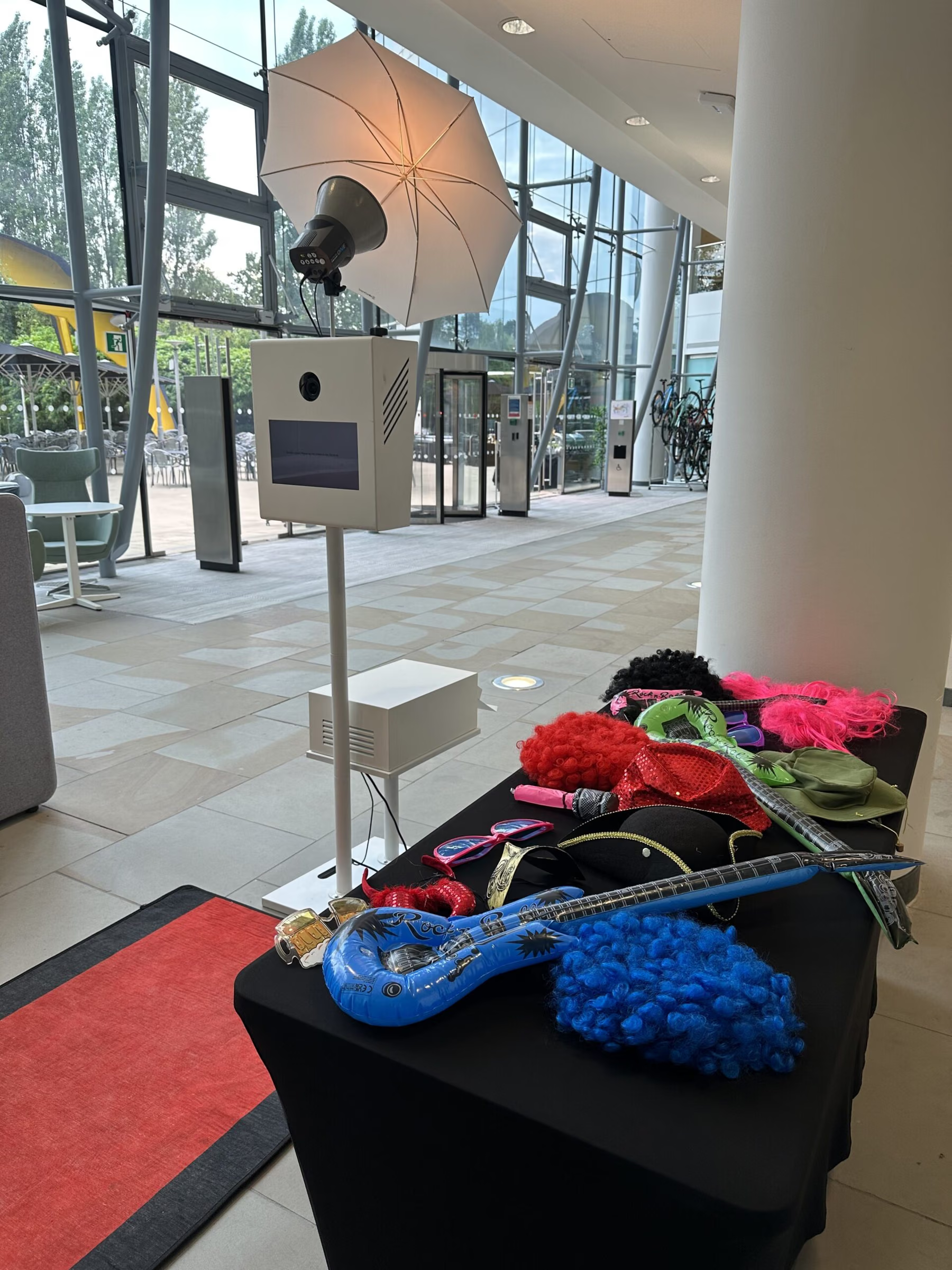
Ask each relevant supplier what can be adjusted, including the venue and photographer. Photo booths and cameras may use flash separately from the DJ lighting. Keep routes and faces sufficiently lit for guests who need to see clearly or lip-read; turning everything down is not automatically the right answer.
Make participation a choice
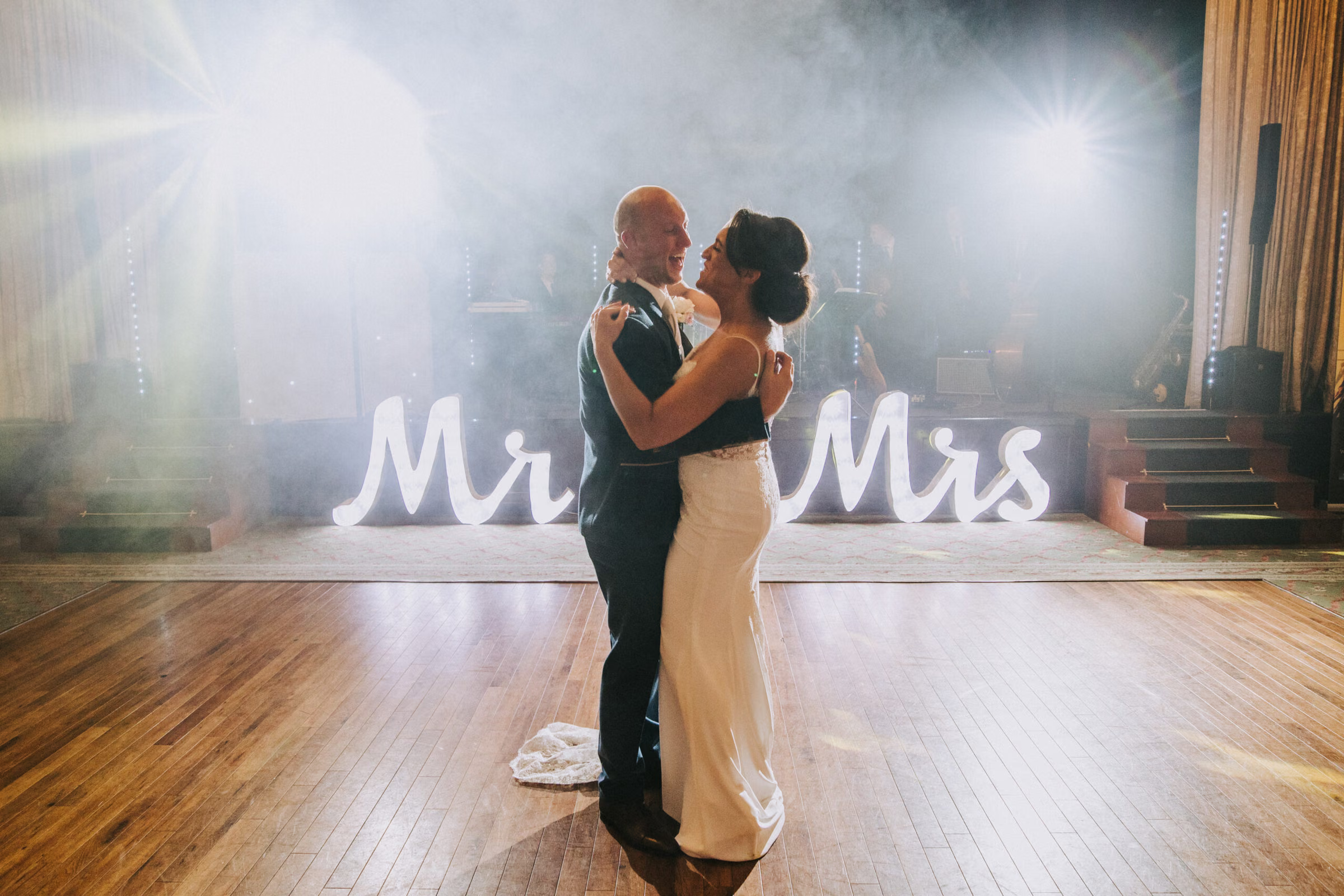
Decide which moments you want: a first dance, group photograph, games or an invitation onto the dance floor. You can keep, adapt or leave out a tradition.
Put your preferences in the brief. For example: “Please invite everyone to join in, but don’t call out individual guests or ask them to explain why they are sitting out.” Agree who can approve a change on the night.
Share the useful details before the day
A short note can cover when dancing starts, which effects are planned, where guests can take a break and who can answer a question. Include a simple route or room name rather than “somewhere quieter”.
Only describe arrangements that have been confirmed. If you are still checking something, say so.
Your six-point DJ and venue brief
Copy these prompts into your notes and keep one agreed version:
- Sound: preferred atmosphere during conversation and dancing; seating to consider.
- Lighting and effects: requests to discuss; which supplier must confirm each one.
- Quieter space: room name, access times and venue confirmation—or “not available”.
- Participation: introductions or activities you want, and anything to leave out.
- Guest information: what you will tell guests before they arrive.
- On-the-day contact: who can raise a concern or approve a change.
Next to each point, write requested, confirmed or still to check, plus the person responsible. That keeps a preference from being mistaken for an agreed arrangement.
A short note for your guests
Adapt this example after checking the details:
“Dancing is planned from [time] in [room]. There will be [confirmed lighting or effects]. If you would like a break, [confirmed space] is available [times and directions]. You are welcome to join in or sit things out. For a question beforehand, contact [chosen contact].”
If there is no quieter space, replace that sentence with a clear description of the available seating or the limitation.
Talk through your Twilite plans
Share your date, venue, room and the practical arrangements that matter to you. You do not need a finished timetable to start a conversation. Twilite can discuss the entertainment requirements; the venue needs to confirm its rooms and facilities. Any additional equipment, coverage or specialist support must be agreed separately.
Discuss your wedding with Twilite. An enquiry does not reserve your date or confirm a requested adjustment.
For the other setup details, use our venue checklist and planning guides.
Further reading
These independent resources offer broader guidance. They are not endorsements of Twilite or a certification of an event: